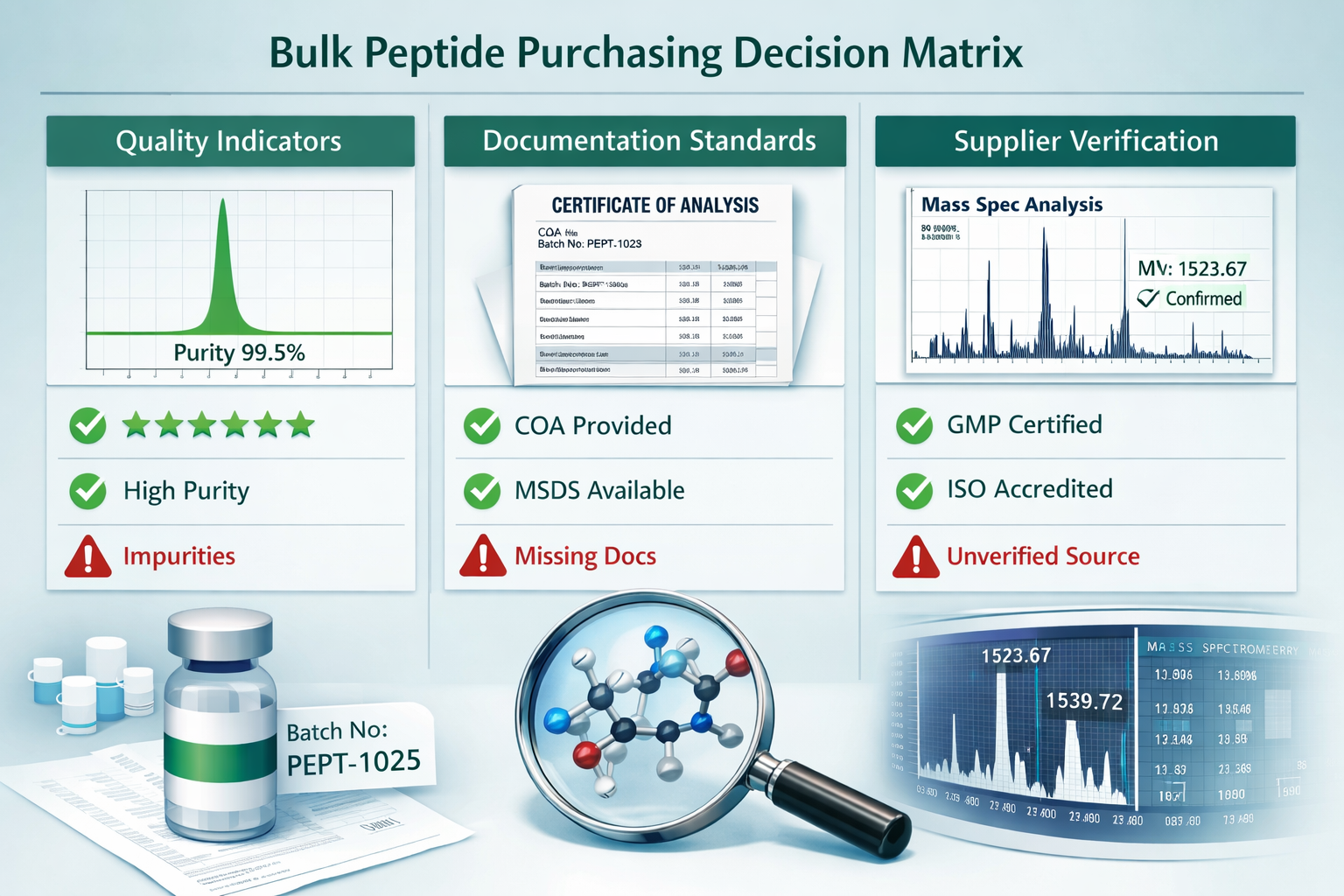
Peptide Coa Collection: Third-party Batch Lab Outcomes
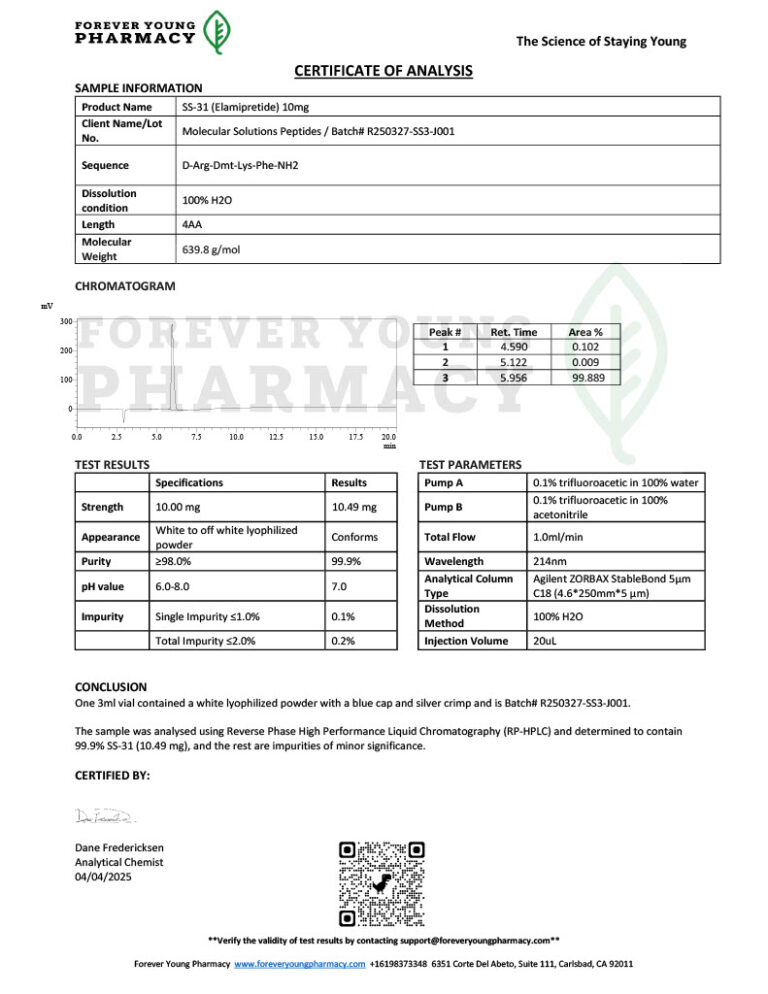
Review of the lab workflow utilized to confirm peptide research study compounds with analytical testing and recorded certifications of evaluation. A peptide CoA assists validate the product's identification, showing essential details like purity and examination outcomes. This comes to be even more crucial in January, when lots of labs go back to full routines after the holiday break. With research study restarting, having proper paperwork in position indicates much less time double-checking and even more time focused on the research study itself. A reliable CoA includes batch-specific data, analytical approaches, chromatograms or spectra, screening dates, research laboratory accreditation, and third-party verification where relevant. Differences between third-party laboratory results and reported pureness are usually because of variations in logical approach.
- A supplier-issued COA can still work when it is batch-specific, legible, and constant with the product being offered.Without a contamination account and sustaining analytical data, pureness percentages do not have context.On modern-day LC-MS/MS tools, precision should be within reduced parts-per-million (ppm), generally much less than 5 ppm.
In lab research study atmospheres, analytical documents aids confirm the identity and top quality of experimental materials. A Certification of Evaluation is a lab report that provides logical data regarding a particular batch of a substance. These results help scientists determine whether a compound fulfills specified peptide top quality standards prior to it is made use of in regulated speculative settings. A peptide certificate of evaluation (COA) is a lab record that reports logical testing results for a certain batch of a peptide study substance.
Variables such as column kind, solvent gradient, detection wavelength, calibration requirements, and example prep work can all affect the last reported purity. Also when evaluating the very same product, different labs might produce a little various results due to these variables. A COA is a crucial document, yet it should not be the only factor purchasers make use of when evaluating a research study peptide distributor. It is likewise essential to look at exactly how the provider offers item details throughout the site. A supplier-issued COA can still serve when it is batch-specific, readable, and consistent with the item being sold. The vital question is whether the record gives enough clarity and traceability for buyers to examine it with self-confidence.Exactly How To Check Out A Coa
Genuine testing creates comprehensive documents; discerning omission of common specifications indicates feasible top quality problems being concealed. Compare COA formatting and web content throughout several sets from the exact same distributor. Consistent formatting suggests recognized quality assurance treatments, while significant variations between records might show construction.Coa And Screening Clarified: A Thorough Overview
Matrix-Assisted Laser Desorption/Ionization Time-of-Flight (MALDI-TOF) and Electrospray Ionization (ESI) stand for both main mass spectrometry techniques utilized for peptide analysis. Both techniques ionize the peptide particles and measure their mass-to-charge proportion, creating a spectrum that acts as a molecular fingerprint. Some COAs consist of the actual chromatogram photo, which supplies visual confirmation of purity insurance claims.Mass-related Recognition Approaches