Rp-hplc Peptide Purity Analysis HPLC validation of purity is crucial for peptide validation and trustworthy speculative outcomes. For peptide pureness screening, reverse-phase HPLC is the common conceptual design. The chromatographic pureness is then determined by contrasting the area under the primary height with the complete location under all incorporated heights. Dose verification research study for formula examples is a significant component of any engaging GLP study and is required by the Premium Peptides USA Food and Drug Administration (USFDA) for formulations dosed in toxicology studies. We offer top quality, preclinical dosage formula evaluation for GLP and non-GLP research studies to ensure your study starts on the appropriate course. NorthEast Biolab (NEBA) has significant experience in all facets of dosage formulation evaluation. High-performance liquid chromatography (HPLC) evaluation is a logical technique used to separate, identify, and evaluate parts in a mix [1] In HPLC, a liquid sample (e.g. a peptide solution) is infused right into a high-pressure circulation of solvent via a column. Various compounds elute at different times based upon their interactions with the column, and a detector generates a chromatogram (tops of signal with time) standing for each component [1] HPLC is commonly made use of to confirm the pureness and composition of peptide samples as a result of its high dealing with power and precision.
- All products detailed are strictly for in-vitro lab research and development make use of just.For research study peptides, molecular weight confirmation validates the desired sequence, detects alterations such as oxidation or deamidation, and verifies the absence of pollutants that might co-elute during HPLC evaluation.If 98% of the signal comes from the proper peptide, the product is labeled "98% pure by HPLC." This is a conventional means of revealing peptide quality across research study and pharmaceutical markets.HPLC method recognition ends up being necessary when Tox researches are prepared for preparing IND application declaring.
Just How Do We Identify Peptide Pureness By Rp-hplc?
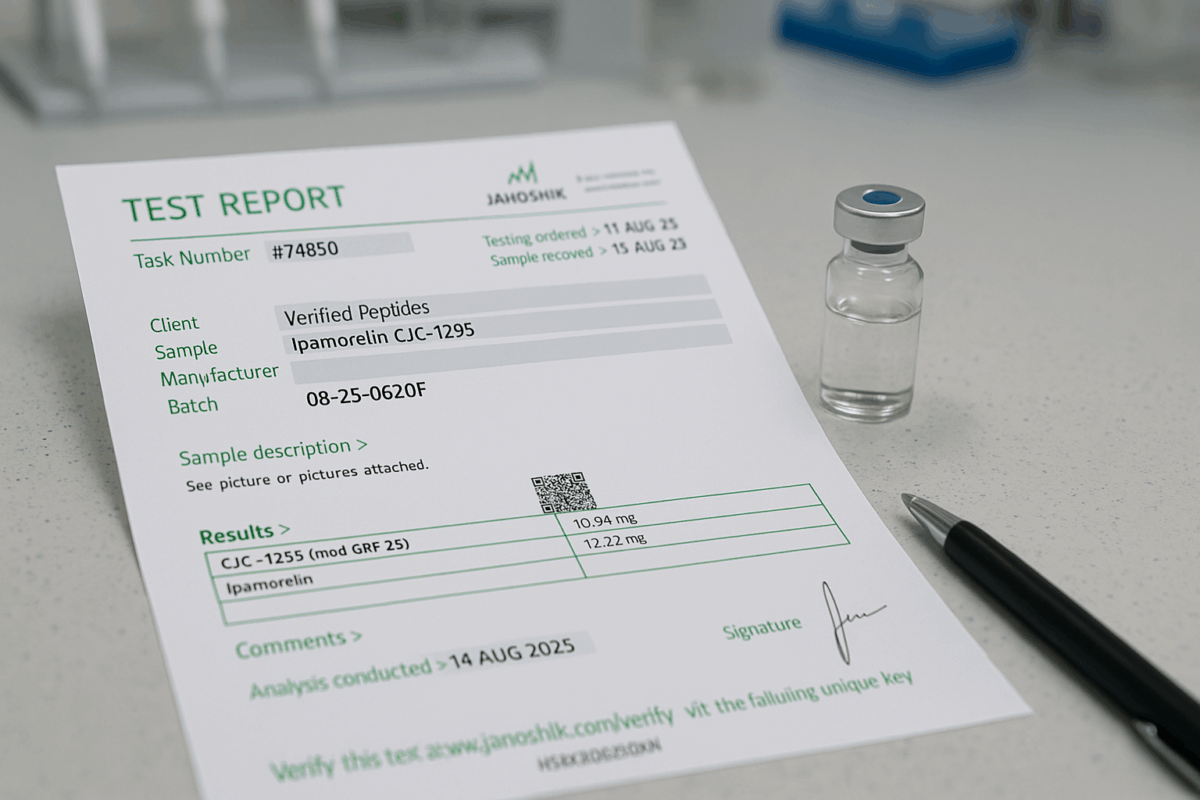
Triple-quadrupole mass spectrometry (MS/MS) uses fringe benefits as a result of its selectivity. NorthEast BioLab has state-of-the-art PerkinElmer devices coupled to spectrophotometric or mass spectrometry detection along with a deep bench of ability knowledgeable at swift and reputable HPLC Method Advancement, Recognition, and Evaluation. This study, same as all various other bioanalytical research studies, was finished with high quality and reporting typical with extraordinary responsiveness. The information supplied on this website, including all article and item summaries, is intended for academic and informational purposes only. Recognizing how to check peptides for pureness guarantees the dependability and reproducibility of every research study procedure. This guide discusses the three gold-standard analytical approaches-- HPLC, mass spectrometry, and third-party screening-- and how researchers can translate results to verify that their compounds satisfy research-grade top quality requirements. Without orthogonal techniques to identify these microheterogeneities, they increase in a system (death as 'biological variability'), reducing signal-to-noise and inevitably invalidating whole data sets. Formal HPLC/MS characterization ices up that worsening in place, subjecting each molecule to 2 orthogonal selection stress (hydrophobicity and mass-to-charge), developing an analytical firewall program around incorrect identity. Typical pureness degrees vary between 99.0% and 99.7%, aligning with international lab research standards. These examinations confirm that peptides from Peptides Laboratory UK have no pollutants, degradation byproducts, or unwanted fillers-- simply validated, high-purity research study material.What Are The Advantages/disadvantages Of Hplc Evaluation?
Just how much time does an HPLC examination take?
Time Required for HPLC EDTA Test Records + Following Steps
Once you have reserved the test and the phlebotomist has actually collected your blood example, the sample is required to the laboratory, where the examination is executed. It generally takes 24-48 hours for the test record to be created.